Evaluating Long Term Damages In Dui And Dwi Accident Claims
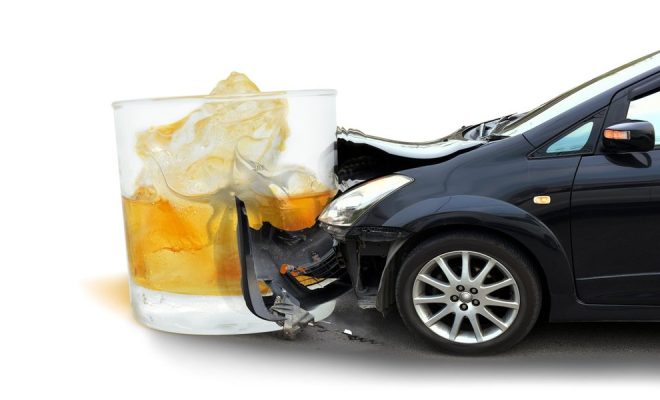
Alcohol crashes leave marks that last for years. You may face pain, lost income, and fear every time you see headlights in your mirror. These losses are real. They reach far beyond the first hospital visit or repair bill. This blog explains how long term damages work in DUI and DWI accident claims. It shows how to count the full cost of medical care, missed work, and changes in your daily life. It also covers how trauma, sleep problems, and strain on family ties fit into a claim. You learn what proof you need and how insurance companies often try to shrink your story. You also see how a DWI accident lawyer looks at your case and protects your rights. With clear steps, you can understand what to ask, what to track, and how to fight for a fair result.
Why long term damages matter
A drunk driving crash can change every part of your life. The law allows you to seek payment for all harms, not just the first bills. If you ignore long term damages, you may run out of money while you still need care.
Long term damages often include three main parts.
- Future medical costs
- Loss of income and work strength
- Ongoing pain, fear, and stress
Each part needs proof. Each part affects your health, your work, and your family in different ways.
Common types of long term damages
Courts and insurers usually sort long term damages into two groups. One group covers money losses. The other group covers human losses that do not come with a receipt.
|
Type of damage |
Examples |
How it shows up over time |
|---|---|---|
|
Medical costs |
Surgeries, therapy, medicines, rehab |
Ongoing treatment, devices, later surgeries |
|
Work and income |
Missed paychecks, lost job, fewer hours |
Lower career growth, early retirement |
|
Pain and suffering |
Body pain, headaches, nerve pain |
Chronic pain that limits daily tasks |
|
Emotional harm |
Fear, anger, grief |
Ongoing anxiety, depression, post crash stress |
|
Family strain |
Fewer shared tasks, less time together |
Caregiver fatigue, distance in relationships |
|
Home and life changes |
Ramps, railings, special car seats |
Long term need for help with chores and care |
How drunk driving crashes create long term harm
Alcohol slows reaction time and weakens judgment. Crashes at high speed or without braking often follow. That raises the chance of serious injury.
Government data from the National Highway Traffic Safety Administration show that alcohol crashes often cause spinal injuries, brain injuries, and deep fractures. These injuries can lead to:
- Chronic back or neck pain
- Reduced strength or movement
- Memory and focus problems
- Vision or balance issues
These harms do not end when a cast comes off. They can shape how you move, think, and work for years.
Counting future medical and care costs
You need to show not only what you spent, but what you will likely spend. That takes a clear plan.
- Ask your doctors to write expected future care needs.
- Include therapy, rehab, counseling, and checkups.
- List devices such as braces, wheelchairs, or hearing aids.
Next, you link those needs to real prices. You can use past bills as a guide. You can also use public data on health costs. For example, the Centers for Disease Control and Prevention tracks the huge medical and work loss costs from impaired driving.
Over time, costs usually rise. A claim that ignores rising prices may leave you short. Evidence from medical experts can explain how long your care will last and how costs may grow.
Lost income and reduced earning strength
A crash may force you to miss work. It may also push you into a lower paying role or keep you from working at all. When you measure long term wage loss, you look at three questions.
- How long were you out of work right after the crash
- Can you still do the same job now
- What would your career path likely look like without the crash
Pay stubs, tax returns, and job reviews help answer these questions. Job experts can compare your likely income path before and after the crash. This shows the long range hit to your family budget.
Pain, trauma, and family strain
Not all harm shows on a scan. Ongoing fear and sadness after a DUI or DWI crash are common. Nightmares, flashbacks, and panic in traffic can follow you for years.
To show this harm, you can:
- Write a journal about pain, sleep, and mood
- Ask family members to write how your behavior changed
- Keep records of counseling visits and mental health notes
Family life may also change. Children may see you in pain. A partner may become a full time caregiver. Shared hobbies may stop. These changes can support damages for loss of care and support in some claims.
Key evidence to track from day one
Strong claims grow from strong records. From the first day, save:
- Police reports and crash photos
- All medical records and billing statements
- Work notes, disability forms, and emails with your employer
- Receipts for home changes and devices
- Therapy and counseling records
- A daily log of pain levels and limits
You also need to follow doctor orders. Missed visits or skipped therapy can give insurers a reason to question your needs.
How insurers view long term damages
Insurance companies often look for ways to narrow long term claims. They may say your pain comes from age, past injuries, or stress. They may hire their own doctors to claim you recovered.
You can protect yourself by:
- Getting clear written opinions from your doctors on cause and length of harm
- Keeping proof of every flare up, setback, or change in treatment
- Not guessing about your health in phone calls
If you must give a statement, stay factual and brief. Do not downplay pain to seem strong. Those words can appear later in a hearing or trial.
Planning for a fair outcome
Evaluating long term damages in DUI and DWI accident claims is not simple. It needs time, clear records, and honest talks with your care team. When you look at your claim, think in three time frames.
- Past. What you already paid and lost.
- Present. What you face right now day by day.
- Future. What doctors expect over the coming years.
When you place these pieces together, you tell a full story of how the crash shook your life. That story, backed by records and expert views, gives you the best chance at fair payment for both money losses and human losses that reach far into the future.