Understanding California Premises Liability Laws and Your Rights
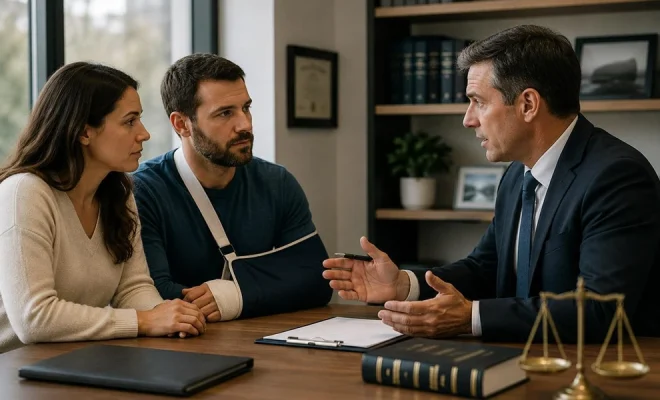
What Property Owners and Injury Victims Need to Know About Premises Liability Claims in California.
Accidents can happen almost anywhere, from grocery stores and apartment complexes to shopping centers, restaurants, and private residences. While not every accident results from negligence, California law recognizes that property owners have a legal responsibility to maintain reasonably safe conditions for visitors. When property owners ignore or leave hazardous conditions unaddressed, serious injuries can occur, leading to medical expenses, lost income, and significant physical and emotional hardship.
Premises liability law helps protect individuals injured by unsafe property conditions. These cases often involve complex legal questions regarding property owner responsibilities, visitor status, notice of dangerous conditions, and the circumstances surrounding the incident. Understanding how California premises liability laws work can help injured individuals recognize their rights and make informed decisions following an accident.
At Oracle Injury Attorneys, the legal team helps individuals throughout Orange County and the Inland Empire navigate the complexities of premises liability claims. Through personalized legal guidance and aggressive advocacy, the firm works to help injured victims pursue the compensation they deserve after preventable accidents.
“Property owners are not automatically responsible for every accident that occurs on their premises, but they may be held accountable when negligence contributes to unsafe conditions.”
What Is Premises Liability?
Premises liability is a legal concept that holds property owners and occupiers responsible when individuals suffer injuries due to dangerous conditions that should have been addressed or corrected.
These claims arise from the general duty that property owners have to exercise reasonable care in maintaining safe premises.
Premises liability cases can involve various types of properties, including:
- Retail stores
- Restaurants
- Apartment complexes
- Hotels
- Office buildings
- Parking lots
- Private residences
- Government-owned properties
- Entertainment venues
Under California law, the central issue is often whether the property owner acted reasonably under the circumstances.
A successful premises liability claim generally requires demonstrating that:
- A dangerous condition existed.
- The property owner knew or should have known about the condition.
- Reasonable steps were not taken to repair, correct, or warn about the hazard.
- The dangerous condition caused the victim’s injuries.
- Damages resulted from the accident.
Because each case depends heavily on its unique facts, understanding the legal elements involved is essential.
California Property Owners Have a Duty of Care
California follows a broad standard of reasonable care regarding property owner responsibilities.
Under California Civil Code Section 1714, individuals are generally responsible for injuries caused by their failure to exercise ordinary care in managing their property.
This duty of care may include responsibilities such as:
Inspecting the Property
Owners should periodically evaluate their premises for potential hazards.
Repairing Dangerous Conditions
Known hazards should be addressed within a reasonable timeframe.
Providing Adequate Warnings
Temporary dangers may require warning signs or barriers.
Maintaining Safe Conditions
Regular maintenance helps reduce foreseeable risks.
Importantly, the required level of care often depends on factors such as:
- The nature of the property
- The likelihood of visitor presence
- The foreseeability of harm
- The burden associated with correcting the hazard
Property owners are not expected to guarantee absolute safety. However, they are expected to take reasonable steps to prevent foreseeable injuries.
Common Types of Premises Liability Cases
Premises liability encompasses a wide range of accident scenarios.
Some of the most common claims include:
Slip and Fall Accidents
These incidents frequently involve:
- Wet floors
- Uneven surfaces
- Loose carpeting
- Poor lighting
- Debris in walkways
Trip and Fall Accidents
Hazards may include:
- Broken sidewalks
- Cracked pavement
- Unmarked elevation changes
- Exposed wiring
Inadequate Security Claims
Property owners may be liable when insufficient security measures contribute to foreseeable criminal acts.
Examples include:
- Poor lighting in parking lots
- Broken security gates
- Lack of security personnel in high-risk areas
Falling Object Injuries
Improperly stacked merchandise or unsecured items can cause serious harm.
Dog Bite Incidents
California imposes strict liability on dog owners under many circumstances.
Swimming Pool Accidents
Unsafe pool conditions and inadequate barriers may lead to premises liability claims.
Each type of case presents distinct legal considerations requiring careful investigation.
“Premises liability claims often focus on whether a dangerous condition was foreseeable and whether reasonable action could have prevented the injury.”
Proving Negligence in a California Premises Liability Claim
Injured individuals generally bear the burden of proving negligence.
Several elements must typically be established.
Dangerous Condition Existed
The plaintiff must demonstrate that an unsafe condition was present on the property.
Examples include:
- Spilled liquids
- Structural defects
- Broken handrails
- Inadequate lighting
The Property Owner Knew or Should Have Known About the Hazard
Knowledge may be established through:
Actual Notice
The owner was directly aware of the dangerous condition.
Constructive Notice
The hazard existed long enough that a reasonable property owner should have discovered it through proper inspections.
Failure to Exercise Reasonable Care
Evidence must show that appropriate corrective measures were not taken.
Causation
The dangerous condition must be directly linked to the injuries sustained.
Damages
The injured person must have suffered actual losses, such as medical expenses or lost wages.
Strong evidence is often critical to establishing these elements successfully.
Comparative Negligence in California
California follows a pure comparative negligence system.
This means that injured individuals may still recover compensation even if they share some responsibility for the accident.
However, compensation may be reduced according to the percentage of fault assigned.
For example:
- Total damages: $100,000
- Plaintiff found 20% responsible
- Recoverable damages: $80,000
Property owners and insurance companies frequently argue that victims contributed to their injuries by:
- Failing to pay attention
- Ignoring warning signs
- Wearing inappropriate footwear
- Entering restricted areas
Because comparative negligence issues can significantly affect compensation, thorough investigation and effective legal representation are often important.
What Compensation May Be Available?
Victims injured due to unsafe property conditions may be entitled to recover various forms of compensation.
Potential damages include the following:
Economic Damages
These may include:
- Medical expenses
- Future medical treatment costs
- Lost wages
- Loss of future earning capacity
- Rehabilitation expenses
Non-Economic Damages
These may compensate for:
- Pain and suffering
- Emotional distress
- Physical impairment
- Loss of enjoyment of life
In rare situations involving particularly egregious conduct, punitive damages may also be considered.
The value of a premises liability claim depends on numerous factors, including injury severity, treatment needs, and long-term impacts.
Steps to Take After a Premises Liability Accident
Individuals injured on another person’s property should consider taking several important steps.
Seek Medical Attention
Prompt medical evaluation protects both health and documentation of injuries.
Report the Incident
Notify property owners, managers, or responsible parties about the accident.
Document the Scene
- Photographs of hazards
- Witness contact information
- Incident reports
Preserve Evidence
Retain medical records, receipts, and correspondence related to the accident.
Consult an Attorney
Legal guidance helps protect your rights and ensures you meet deadlines.
California generally imposes time limits on filing personal injury claims, making prompt action important.
Frequently Asked Questions
What is premises liability?
Premises liability refers to legal responsibility arising when unsafe property conditions cause injuries to visitors.
Can I sue if I slipped and fell in a store?
Potentially, yes, if the store failed to address or warn about a dangerous condition that caused your injuries.
What if I was partially at fault for the accident?
California’s comparative negligence laws may still allow recovery, although compensation may be reduced proportionally.
How long do I have to file a premises liability claim in California?
Time limits vary depending on the circumstances. Consulting an attorney promptly is recommended.
What damages can I recover in a premises liability case?
Compensation may include medical expenses, lost wages, pain and suffering, and other accident-related losses.
Protect Your Rights With Oracle Injury Attorneys
Premises liability accidents can lead to serious injuries, unexpected financial burdens, and significant disruptions to daily life. Understanding California premises liability laws empowers injured individuals to recognize when negligence may have contributed to their accidents and what legal options may be available.
At Oracle Injury Attorneys, experienced personal injury attorneys help clients throughout Orange County and the Inland Empire pursue accountability and fair compensation following preventable injuries caused by unsafe property conditions. Through compassionate support and dedicated advocacy, the firm works to protect the rights of accident victims every step of the way.
If you or a loved one has been injured due to hazardous conditions on someone else’s property, contact Oracle Injury Attorneys today to discuss your legal options and learn how the firm can help you seek the compensation you deserve.